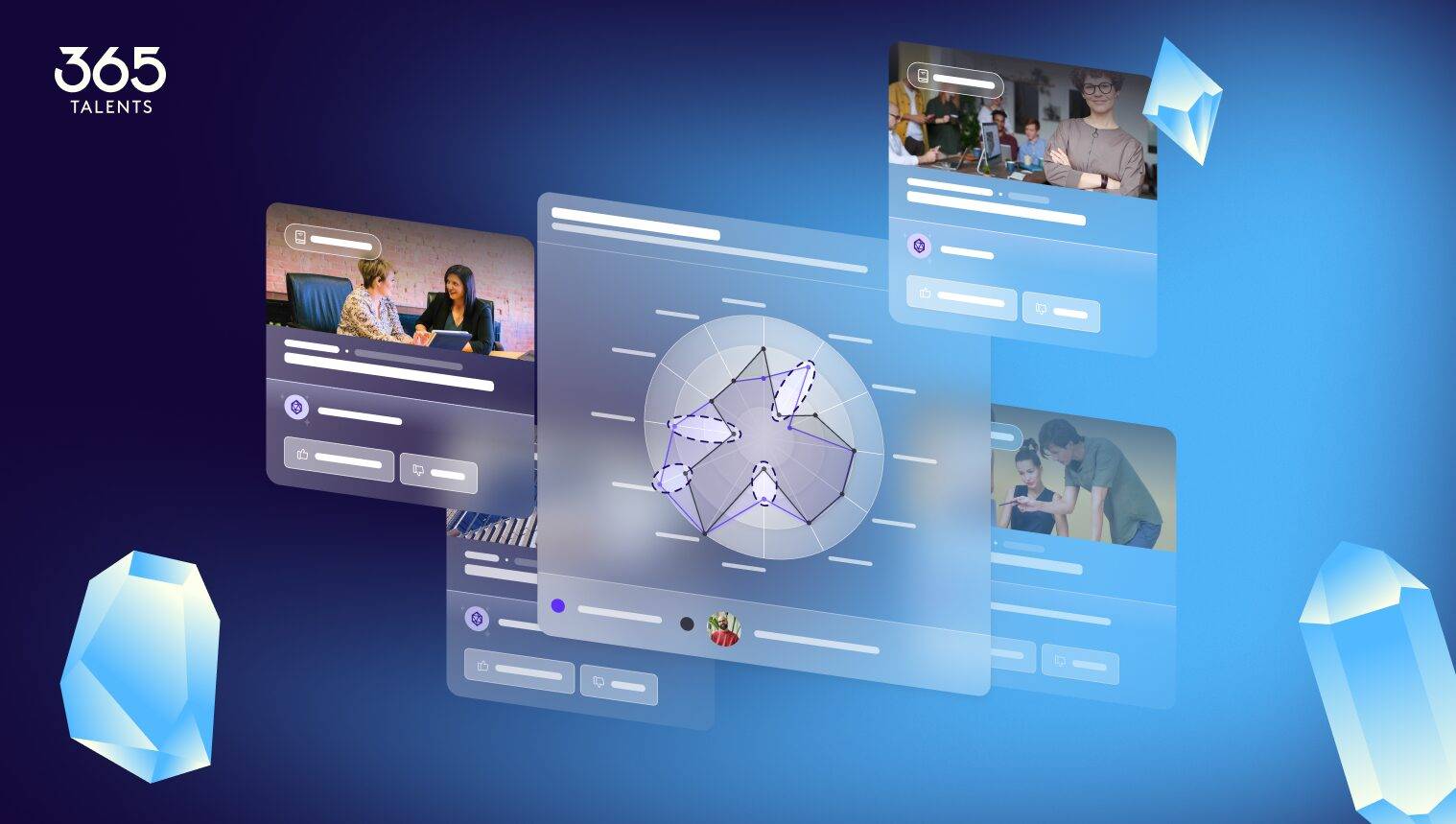
Organizations that rely on periodic performance reviews or resumes alone are quickly falling behind. A purposeful skills campaign, grounded in contextual skills assessments and robust skills audits, empowers HR leaders to build clarity, alignment, and momentum across their workforce.
It’s not just about data: it’s about putting that data to work, engaging talent, and shaping the agile, future-ready organization you need to become. Here’s how to make it happen.
What is a skills campaign and why does it matter?
Definition and objectives of a skills campaign
A skills campaign is an orchestrated organizational initiative designed to gather deep insights into employee capabilities, built with contextual skills assessment at its core. It goes beyond a checkbox survey: participants assess themselves not just on proficiency levels, but also on how they apply those skills in real tasks, projects, or business outcomes.
This structured campaign serves three strategic purposes:
- It produces a skills audit that reveals what capabilities the organization truly has today.
- It engages people in the process of their own development, creating transparency and increasing investment in growth.
- It becomes a launchpad for development, mobility, performance, and hiring, powered by real, validated capability data.
The business imperative: Why HR leaders can’t wait
A well-executed skills campaign has a big impact. According to a McKinsey study, aligning HR processes to your real skill needs can lift productivity by 40%, boost engagement by 50%, and cut learning program costs by half. It transforms the organization from reacting to skill shortages to proactively managing capability growth.
A clear audit of organizational skills equips leaders to craft focused development initiatives, make smarter hiring calls, and build succession pipelines based not on assumptions, but real performance data. In short, the prize isn’t small: it's higher performance, smarter investments, and more loyal talent.
How to launch a skills campaign: step-by-step guide
1) Define clear objectives and scope
Begin every campaign with a sharp question: What do we want to know, and why? Is it readiness for digital transformation? A new product launch? Executive succession planning? Pick a manageable scope that aligns with organizational priorities, whether it's a function, region, or business capability, and ensure leadership alignment.
2) Build or revisit your skills taxonomy
Any campaign must begin with a shared language. Reuse your existing framework—or draw from prior taxonomies, labor market data, and executive insights—to define 25–30 core skills and 5–10 specialized skills per function. This gives your assessments meaning and your results comparability. Workshops to socialize the taxonomy will ignite engagement and alignment.
3) Choose blended assessment methods with context
A truly contextual skills assessment moves beyond self-rating scales. It invites employees to rate skills in context (e.g. “led client demo,” “launched campaign”) and validate through peer or manager input. Supplement with brief scenario-based tasks or project evidence where possible. Choose methods that emphasize real work, not abstract ratings.
4) Pilot, calibrate, & communicate
Start with a manageable business unit or geography to test and tune your tools, templates, and response rates. Communicate the “what, why, and how” clearly: explain how data will be used (never for performance punishment), who will see it, and how it fuels development and opportunity.
5) Scale and collect data
Once pilots are successful, launch across your broader target group. Use reminders, manager champions, and dashboards to keep participation high. Keep the window brief—2 to 3 weeks—and treat this as a strategic moment in your calendar instead of a casual HR task.
6) Analyze, visualize, act
Turn responses into a real skills audit—heatmaps of strengths and skill gaps, team profiles, and internal mobility readiness. Share results with business stakeholders, L&D teams, managers, and talent leaders. Then activate: use audit data to design development curricula, match employees to stretch roles, or launch skills-based hiring campaigns.
7) Institutionalize the campaign
A skills campaign shouldn’t be one-off. Schedule pulse assessments quarterly or biannually, aligned with business planning or product milestones, and evolve your taxonomy as roles change. Momentum from the first campaign builds the foundation for a skills-first culture.
Downloadable skills campaign checklist
Below is the text version of a checklist you can embed or offer as a downloadable workbook. It’s designed for HR leaders planning their next campaign, and aligns with tactical stages and strategic milestones.
Skills Campaign Planning Checklist
(Great for team alignment, project management, and campaign communications)
What comes next? Turning campaign insights into action
Running a skills campaign is only the beginning. What sets high-performing, skills-first organizations apart is what they do after the campaign closes. The data you’ve gathered—validated, contextual, and mapped to your business priorities—is now your most strategic HR asset. It’s time to activate it across your talent ecosystem.
Fuel internal mobility
Use insights from your skills audit to open new career paths. Rather than limiting roles to static job descriptions, match employees to projects, stretch assignments, or open roles based on real skill alignment. Platforms like 365Talents can surface these matches automatically, revealing untapped potential and accelerating agility.
Build targeted upskilling plans
Don’t treat skill gaps as a problem: treat them as a roadmap. Design learning programs that address identified gaps at the individual, team, or organizational level. Align learning with business needs, and track progress through follow-up assessments and manager feedback loops.
Redefine workforce planning
Your skills campaign provides a live snapshot of your organizational capabilities. Use that to inform hiring strategies, team design, and transformation plans. Where do you need to hire? Where can you redeploy talent? Where do you double down on development?
Evolve performance management
Shift performance reviews from backward-looking evaluations to forward-looking skills development conversations. With skills data in hand, managers can coach based on growth areas, not just goals. Employees feel seen not just for what they’ve done, but for what they can become.
Integrate skills into everyday talent processes
Infuse skills intelligence across all HR practices:
- Talent acquisition: Create skills-based job profiles and assessments
- Onboarding: Tailor ramp-up plans based on known strengths/gaps
- Succession planning: Identify future leaders based on emerging skills
- Engagement: Recognize people for contribution beyond their titles
Institutionalize continuous Skills Intelligence
Schedule regular, lightweight skills pulses—quarterly or biannually—to keep your data fresh and your organization aligned. Skills evolve fast. Your system for measuring and managing them should, too. Make this a continuous loop: assess → act → evolve.
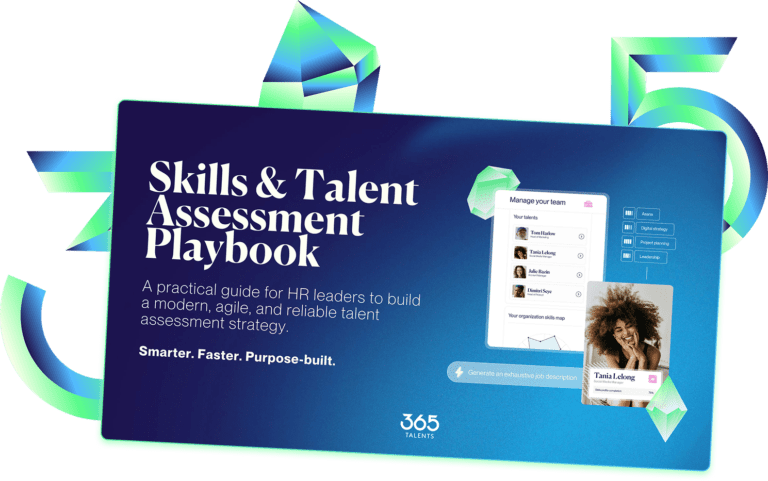


Go beyond. Amplify impact with 365Talents’ Skills Intelligence platform
At 365Talents, we specialize in powering organization-wide skills campaigns with embedded skills audit analytics and contextual skills assessment design. Our platform allows you to:
- Deploy custom taxonomies aligned with your business framework
- Capture evidence-rich assessments, peer manager validation, and project tags in a single process
- Visualize campaign results with intuitive dashboards, heatmaps, and exportable audit summaries
- Translate results into growth paths, internal mobility, and hiring profiles
If you’d like to see this in action, ask our team for a skills campaign use case that demonstrates how a global HR team engaged 12,000 employees in 4 weeks—and built a living capability map they use for hiring, development, and strategic decision-making.
A well-orchestrated skills campaign, powered by contextual skills assessment and structured into a skills audit, is your bridge from insight to impact. It energizes your organization around competency growth, informs smarter talent decisions, and seeds a skills-first culture that scales.
And with 365Talents by your side, you can run every campaign with confidence and velocity! Book your demo today to learn how we can help you run your skills audit and skills assessment campaigns.
FAQ
Who is this skills assessment solution for?
Our solution is designed for every level of the organization: HR teams and stakeholders gain reliable insights to power both HR & business decisions; managers are empowered to assess and validate employees' skills, fostering accountability; employees can self-assess, track their growth and discover their full potential.
What does 365Talents Talent Assessment solution cover?
Our approach supports organizations across the full spectrum of skills management: from mastering practical and regulatory hard skills to developing leaders, managers, and high-potential employees through soft skills; from improving managerial efficiency with clear expectations, monitoring, and actionable insights to optimizing learning budget by targeting the most critical skills gaps; all while empowering employees with the autonomy to take charge of their own development.