The ultimate guide to skills management for modern HR
In today’s fast-paced workplace, traditional job descriptions no longer provide enough insight to manage talent effectively. The modern workforce demands a skills-first approach, one that focuses on what employees can do, what they can grow into, and how those capabilities align with organizational goals. Organizations that embrace skills management can not only identify and close skill gaps but also enhance internal mobility, boost engagement, and future-proof their workforce against evolving market demands.
This guide is a comprehensive resource for HR leaders, talent managers, and executives looking to understand the full scope of skills management. From building a dynamic skills framework and leveraging modern tools to designing upskilling programs and measuring ROI, this guide provides actionable strategies to help your organization become truly skills-first.
What Is Skills Management?
Definition:
At its core, skills management is the systematic process of identifying, cataloging, assessing, and developing the skills of your workforce. Unlike traditional HR approaches that focus on job titles, seniority, or tenure, skills management places emphasis on what employees can actually do and how they can grow. It’s about understanding the capabilities that exist within your workforce, identifying gaps, and aligning skills with strategic business goals.
The importance of skills management has never been more pronounced. By mapping and understanding employee capabilities, organizations can make data-driven decisions around workforce planning, internal mobility, and professional development.
For example, a marketing team might discover that several employees share overlapping skills in digital content creation and data analysis. With a proper skills management approach, HR can determine which team members are ready to lead new campaigns, mentor others, or transition to emerging roles.
For a deeper dive into defining skills and setting up a structured inventory, explore “How to Define Skills.”

Why Skills Management Matters Today
The modern workplace is defined by rapid technological advancements, shifting market demands, and evolving employee expectations. Organizations that fail to adapt risk skill gaps that slow innovation and limit growth. Skills management allows HR leaders to anticipate workforce needs, proactively develop talent, and ensure that employees are matched to roles where they can deliver maximum impact.
One of the key advantages of skills management is the ability to future-proof your workforce. By analyzing current skills and predicting emerging requirements, HR teams can close critical gaps before they affect business performance. This forward-looking approach also supports internal mobility, helping employees find opportunities aligned with their capabilities rather than being limited by rigid job titles. Employees who see clear pathways to growth and development tend to be more engaged, reducing turnover and increasing retention.
Learning programs become far more effective when informed by a skills-first strategy. Instead of generic training initiatives, organizations can target learning efforts to the skills that matter most, ensuring ROI and relevance. Current trends in skills management, including AI-powered skills intelligence, skills-first organizational design, and the growing need for adaptability in hybrid and remote work environments, are reshaping how HR professionals approach talent management. For more insights into workforce trends, see “HR Predictions 2026: Future of Work.”

Building a Skills Framework
A skills framework provides the foundation for effective skills management. It serves as a structured blueprint that defines which skills are required across the organization, how they relate to roles, and what proficiency levels are necessary for success. Building a framework starts with identifying critical skills that align with your business strategy. This requires close collaboration with department leaders and a clear understanding of both current and future business priorities.
Steps to Build a Skills Framework:
- Identify critical skills: Align with strategic business objectives.
- Define proficiency levels: Basic, intermediate, advanced, expert.
- Map skills to roles and career paths: Link skills to promotions, lateral moves, or project assignments.
- Regularly update: Reflect changes in market demand, technology, and business priorities.
Once critical skills are identified, it’s important to define proficiency levels—commonly ranging from basic to expert. This allows organizations to assess not just whether employees have a skill but how well they can apply it in different contexts. The next step is mapping skills to roles and career paths, connecting employees to opportunities for promotion, lateral moves, or project assignments. Finally, the framework must be dynamic, regularly updated to reflect changes in technology, market demands, and organizational priorities.
For example, a technology company might track skills such as cloud computing, cybersecurity, and project management. These skills can then be mapped to roles from junior developer to senior architect, ensuring that employees are being developed along clear career paths. To learn more, explore our Dynamic Skills Framework.

Tools & Platforms for Skills Management
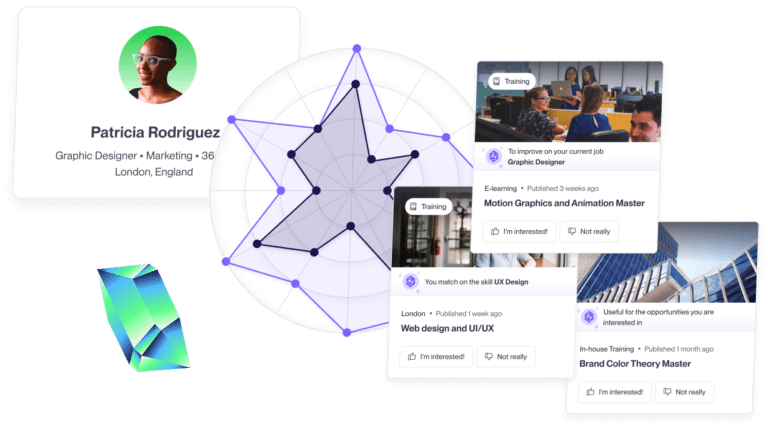
Managing skills at scale requires robust technology. Modern skills management platforms make it possible to map, analyze, and leverage employee capabilities efficiently. A comprehensive platform should allow HR teams to create skills profiles, provide AI-driven recommendations for career progression, identify internal mobility opportunities, and generate real-time analytics on skills gaps.
The integration of AI enables predictive insights, suggesting not only who is qualified for a current role but also who could succeed in emerging positions with targeted development. Integration with existing systems such as HRIS, LMS, and performance management ensures that skills data is centralized and actionable. For instance, a platform can automatically recommend employees for internal projects based on verified skills, significantly reducing time-to-hire while boosting internal mobility.
Explore more about Skills Management Tools & Platforms and see how a modern system can transform your HR strategy.
Explore our platform
Upskilling, Career Pathing & Internal Mobility
A skills-first approach underpins employee development and mobility. By identifying where skills gaps exist, organizations can design targeted upskilling programs that prepare employees for evolving roles. Conducting regular skills audits ensures that development initiatives are aligned with both employee aspirations and organizational needs. Linking learning programs to specific outcomes—for example, improving data analysis skills to enable participation in analytics projects—enhances relevance and engagement.
Empowering employees with visible career pathways based on their skills encourages growth and retention. Consider an employee with strong leadership and project management capabilities. With proper skills mapping and career guidance, they might transition from a specialist role to leading cross-functional initiatives, gaining experience that prepares them for future leadership positions. To explore actionable strategies, see our Upskilling Plan for Managers and Career Pathing Framework.
Measuring ROI & Success Metrics
To demonstrate the impact of skills management initiatives, HR leaders should track a combination of quantitative and qualitative metrics.
- Skills coverage across critical roles
- Internal mobility rates
- Completion of upskilling programs
- Performance improvements and productivity gains
- Employee retention
Tip: Use AI analytics to predict future skill needs and proactively address gaps.
AI-driven analytics can also predict future skill needs, enabling proactive interventions before skill gaps become a business risk. Linking skills data to business outcomes not only justifies investment in programs but also guides strategic workforce planning. For advanced analytics, download our Skills Intelligence buyer guide.
Common Challenges & How to Avoid Them
Implementing skills management is not without challenges. Organizations often face hurdles such as a lack of leadership buy-in, inconsistent taxonomies, poor adoption by employees, and siloed data. Overcoming these obstacles requires a clear demonstration of business impact, standardized frameworks, training for managers and employees, and integration of platforms to centralize skills data. By addressing these common pitfalls early, organizations can ensure successful adoption and long-term sustainability.
Summary:
- Lack of leadership buy-in → Mitigate with clear business impact examples
- Outdated or inconsistent taxonomies → Standardize and regularly review
- Poor adoption → Train managers and employees on benefits
- Data silos → Integrate platforms and centralize skills data

Frequently Asked Questions
Q: What’s the difference between skills and competencies?
A: Skills are specific, measurable abilities that an employee can demonstrate, while competencies combine skills with knowledge, behaviors, and attitudes, reflecting broader capabilities in a role.
Q: How do I start skills management in my organization?
A: Begin with a skills audit, develop a structured framework, and implement tools to track skills across your workforce. Early wins can be achieved by targeting skills critical to strategic objectives.
Q: Which skills should I prioritize first?
A: Focus on skills tied to strategic goals, emerging business needs, and those where gaps are currently limiting performance. Prioritization ensures that development efforts are both impactful and aligned with organizational priorities.