Employability has evolved from a personal advantage into a strategic organizational asset. Companies no longer compete solely on products or services—they compete on the adaptability, skills, and potential of their workforce. With hiring freezes, economic uncertainty, and fast-moving technological shifts, the ability to continuously acquire, adapt, and apply skills is what sustains both performance and resilience.
Artificial Intelligence (AI) and dynamic skills data have emerged as critical enablers of this workforce transformation, creating a foundation for employability, agility, and long-term organizational competitiveness.
Why talent adaptability matters
Employability is more than job security—it is about ensuring employees can evolve alongside the organization. A workforce that can adapt and combine skill sets proactively drives transformation, mitigates disruption, and strengthens resilience.
Core principles of modern Workforce Agility:
- Adapt existing skills: Apply current capabilities in new contexts.
- Develop new skills proactively: Anticipate organizational needs before gaps emerge.
- Combine skill sets strategically: Unlock innovation and accelerate transformation.
High-quality capabilities, supported by a strong people experience and empowerment, are at the heart of employability. When employees can continuously learn and grow, organizations gain the ability to pivot faster, fill internal gaps, and absorb change without disruption.
In France, this approach has shifted from best practice to legal imperative. The GEPP (Gestion des Emplois et des Parcours Professionnels) framework mandates organizations to secure long-term employability through skills mapping, mobility, and development programs. What was once optional is now structured, measurable, and mission-critical.
Employability isn’t only about protecting jobs—it’s about protecting futures. Read more in our dedicated Skills Impact Report.
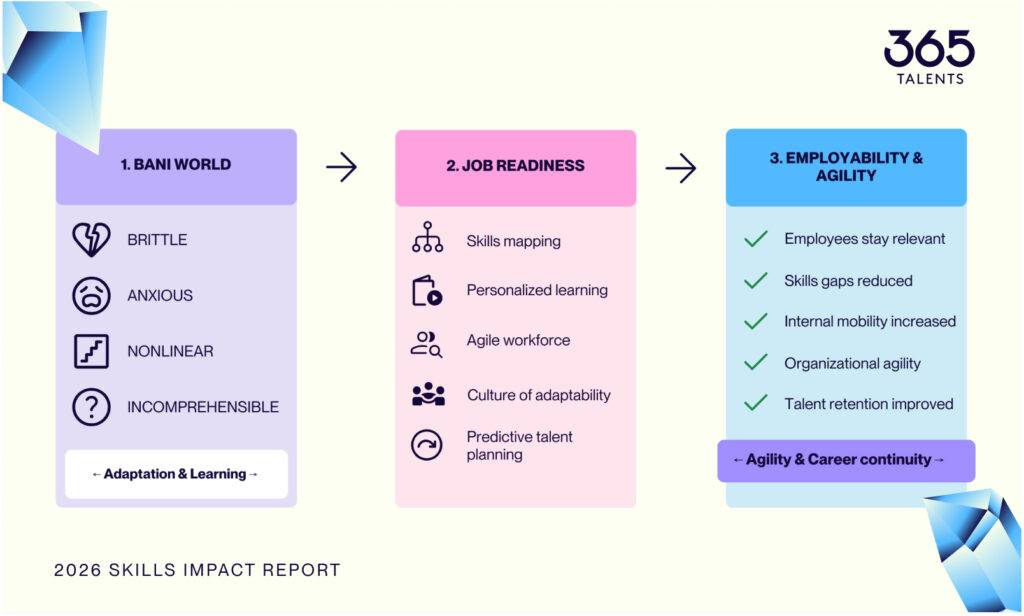
The three pillars of job-readiness
1. Retention: Employees stay where they grow
Retention is strongest when employees see clear paths for development. Organizations that invest systematically in upskilling report up to 53% higher retention rates (LinkedIn Learning, 2024).
AI-powered skills mapping further enhances retention by revealing hidden internal mobility opportunities, giving employees visibility into potential career paths before they seek options externally. Recognition through skill visibility reinforces engagement, loyalty, and long-term growth.
2. Skills gap closure: Build before you buy
Hiring freezes and market slowdowns make internal mobility and requalification essential. AI-driven workforce intelligence identifies transferable capabilities, enabling teams to adapt quickly without relying on external recruitment.
A “build-first” strategy aligns workforce planning with both GEPP and Strategic Workforce Planning (SWP), closing skill gaps efficiently while maintaining engagement. Organizations that focus on internal reskilling reduce costs and increase operational agility.
3. Succession and transitions: Agility in leadership pipelines
Employability ensures continuity in leadership and critical roles. AI and skills intelligence predict succession gaps, guide emerging leaders, and create smooth transitions before gaps impact performance. Internal mobility not only meets evolving business needs but also builds trust and engagement, transforming career transitions into evolutions rather than exits.
From job-based to skills-based workforce readiness
Traditional workforce models focus on roles and titles, which quickly become obsolete in a fast-moving economy. Skills-based employability shifts the focus from positions to potential:
- For employees: Stay adaptable, continuously learning, and remain market-ready.
- For organizations: Provide visibility, opportunity, and structured growth paths.
This mindset creates a workforce that evolves faster than change itself, turning employability into a measurable organizational KPI. Metrics can include:
- Skills progression over time
- Gap closure between current and strategic skills
- Internal mobility rates
- Retention linked to learning and development
Quantifying employability transforms it from a theoretical concept into a leading indicator of business resilience.
AI and Skills Data: Operationalizing employability
The shift to skills-first organizations depends on one critical enabler: reliable, dynamic skills data. AI transforms static HR data into actionable insights, making employability measurable, predictive, and continuous.
How AI powers skills intelligence:
- Hidden skill discovery: Reveals transferable and adjacent capabilities from projects, learning, and experience.
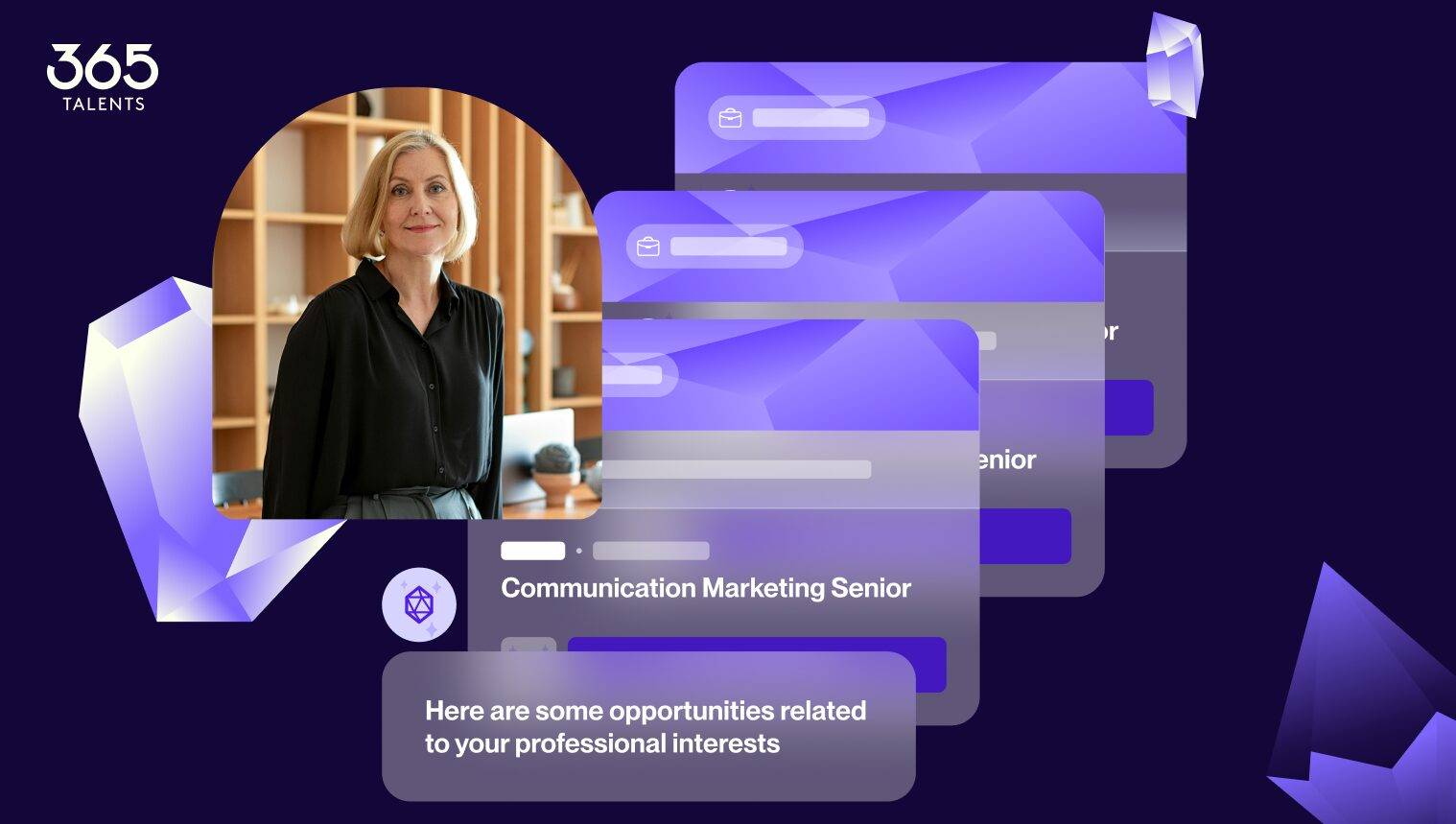
- Intelligent career matching: Connects employees to roles and growth opportunities based on capabilities, not titles.
- Predictive skills analytics: Identifies emerging or declining skills to anticipate gaps.
- Continuous monitoring: Tracks employability in real-time, enabling proactive interventions.
AI touchpoints across the talent lifecycle:
- Recruitment: Identify transferable skills and expand talent pools.
- Development: Map personalized learning paths aligned with future roles.
- Internal Mobility: Unlock opportunities through real-time skills visibility.
Retention and Re-entry: Predict flight risks and optimize boomerang hiring.
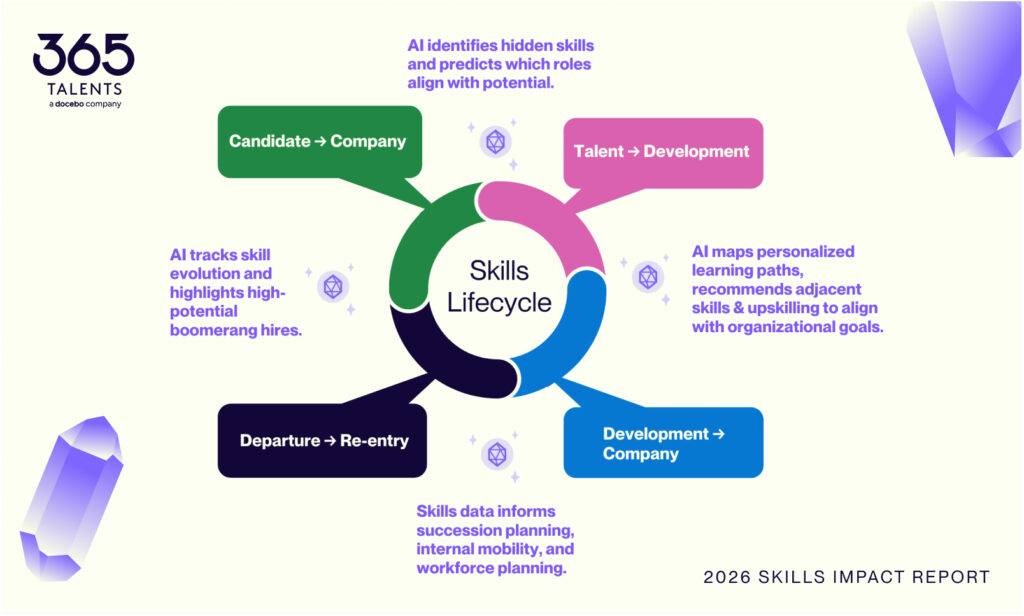
By integrating AI with skills data, organizations can convert employability from a compliance requirement into a competitive advantage.
The Business impact of a Skills-First transformation
Organizations that adopt a skills-first approach gain measurable advantages:
- Operational Excellence: Align workforce capabilities with business needs.
- Strategic Alignment: Turn skills data into a shared language between HR and business.
- Change Management: Build critical future-ready skills to support transformation.
- People Impact: Empower leaders to accelerate talent and engagement.
- Technology Enablement: Scale skills intelligence across the organization.
The result is a workforce that is agile, resilient, and ready for continuous change.
365Talents: Bringing Skills Intelligence to life
A skills-first vision requires more than strategy—it demands adaptive tools and real-time insights. 365Talents operationalizes skills across the talent lifecycle, enabling organizations to:
- Map Skills and Job Architectures: Gain visibility on existing skills, gaps, and potential areas for growth.
- Deliver AI-Driven Development Recommendations: Guide upskilling, career pathways, and internal mobility.
- Connect Workforce Planning to Skills Evolution: Align talent development with strategic objectives and anticipate skill shortages proactively.
Outcomes for organizations using 365Talents:
- +30% internal mobility as employees discover roles aligned with evolving skills
- Up to 25% reduction in external hiring costs
- Accelerated workforce planning and succession management
By turning skills visibility into action, 365Talents bridges today’s workforce capabilities with tomorrow’s business needs, making employability tangible, measurable, and scalable.
The alliance of an innovative product, a committed team, and solid technical expertise
Employability and agility are no longer optional—they are critical strategic capabilities. AI and dynamic skills data transform abstract potential into measurable outcomes, powering retention, internal mobility, and predictive workforce planning.
By embracing a skills-first approach, supported by platforms like 365Talents, organizations can turn compliance into opportunity, gaps into growth, and uncertainty into agility. In a world where skills are the only stable currency, AI-powered skills intelligence ensures that both people and organizations thrive—today and tomorrow.

Want to know more? Download our Skills Impact Report!
Inside: Skills trends, skills-first workforce transformation, workforce-readiness checklist and more!
GET YOUR COPY