Future of work & skills-based organizations
The future of work is no longer a distant concept — it’s happening now. Automation, artificial intelligence, demographic shifts, and hybrid work models are reshaping how organizations operate.
Traditional job-based models are proving too rigid for the speed and flexibility today’s business environment demands. HR leaders must now think beyond static job titles and embrace skills-based organizations, where capabilities, not roles, define workforce strategy.
This guide is a comprehensive roadmap for HR professionals, covering:
- Why skills-first organizations outperform job-based ones
- How to design and implement a skills-based workforce
- Practical frameworks for internal mobility, upskilling, and talent intelligence
- Metrics to measure transformation success
By the end, you’ll understand how to align your HR strategy with the demands of the future of work, positioning your organization for agility, engagement, and resilience.
What Is the Future of Work?
The future of work refers to the evolving nature of jobs, skills, and work environments. Several trends are driving this shift:
- AI and Automation: Tasks are increasingly automated, requiring employees to focus on higher-value skills.
- Rapid Skill Obsolescence: Skills today may be outdated in a few years, making continuous learning essential.
- Hybrid and Remote Work: Teams are no longer bound by location, requiring flexible collaboration systems.
- Employee Expectations: Workers prioritize growth, purpose, and personalized career pathways.
- Agile Organizations: Businesses need to redeploy talent quickly to respond to changing priorities.
Why this matters for HR: Job descriptions and rigid structures no longer capture the full potential of your workforce. Skills-first organizations allow you to map, develop, and deploy talent dynamically.
For broader context on emerging workforce shifts, explore 365Talents article: HR Predictions 2026: 10 Trends for an Augmented Future of Work
Why traditional Job-Based Models Are Failing
Traditional structures rely on fixed roles, linear career paths, and strict departmental silos. This model struggles in a fast-moving world where:
- New skills emerge faster than roles are rewritten
- Employees need lateral movement to fill skill gaps
- Project-based work replaces static positions
Job-first mindset: Who fits this role?
Skills-first mindset: What capabilities do we need, and who has them?
Key takeaway: Organizations that fail to adopt a skills-first model risk losing agility, engagement, and innovation.

What Is a Skills-First Organization?
A skills-based organization places capabilities, not titles, at the center of workforce strategy. Key characteristics include:
- Dynamic Skills Visibility: Maintain an up-to-date view of employee capabilities.
- Internal Talent Marketplaces: Match people to projects and roles using skill-based recommendations.
- Continuous Upskilling: Training is aligned to the skills that drive organizational outcomes.
- AI-Powered Talent Intelligence: Predictive analytics identify gaps, future needs, and mobility opportunities.
This approach transforms HR from administrative to strategic, enabling better workforce planning, faster redeployment, and higher employee engagement.
For a deeper dive into how this model works in practice, see 365Talents resource: Guide to Skills-Based Organizations
Core Characteristics of Skills-First Organizations
Modern skills-first organizations are fundamentally different from traditional job-centric firms. Rather than relying on static job descriptions and annual performance cycles, they build systems that enable real-time talent visibility, agile workforce deployment, continuous capability growth, and strategic use of data — particularly through AI-powered tools. Below are the key characteristics that set these organizations apart.
1. Dynamic Skills Visibility
A hallmark of skills-first organizations is continuous, real-time visibility into workforce capabilities. Instead of outdated or static skill inventories collected annually or during performance reviews, these organizations use integrated talent systems to capture, update, and surface skills across the enterprise.
Dynamic skills visibility means capturing not just formal qualifications, but skills employees acquire on the job, through projects, peer evaluations, learning platforms, or informal experiences. When skill data is current and comprehensive:
- HR and leaders can forecast capability gaps faster.
- Succession planning becomes more reliable.
- Internal mobility opportunities are easier to surface.
Organizations with robust skills-intelligence systems report measurable benefits: visible skills profiles improve decision-making around hiring, training, and retention, and help surface hidden internal talent that traditional role-based systems would miss.
This approach goes beyond manual data collection by unifying skills from multiple sources into a single, continuously updated view, enabling confident, agile decisions about talent deployment and strategic workforce planning.
For a deeper understanding of how to structure and categorize capabilities correctly, see our resource on How to Define Skills, which explains how to differentiate skills, competencies, and capabilities within a scalable framework.
Similarly, building this visibility requires a structured taxonomy — our Dynamic Skills Framework guide outlines how to design a living skills architecture that evolves alongside business strategy.
2. Internal Talent Marketplaces
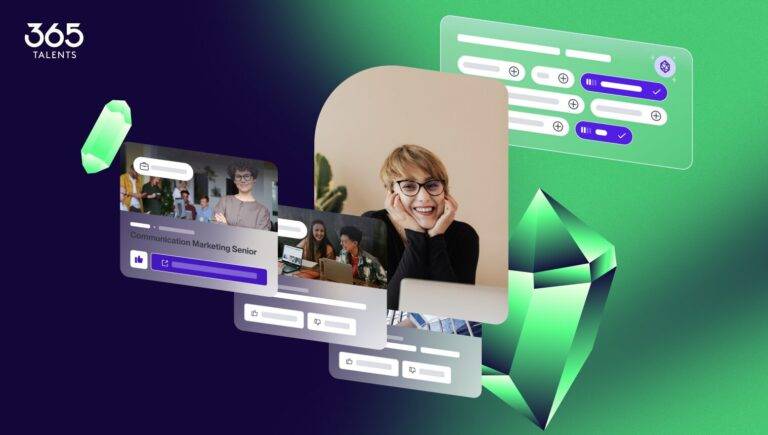
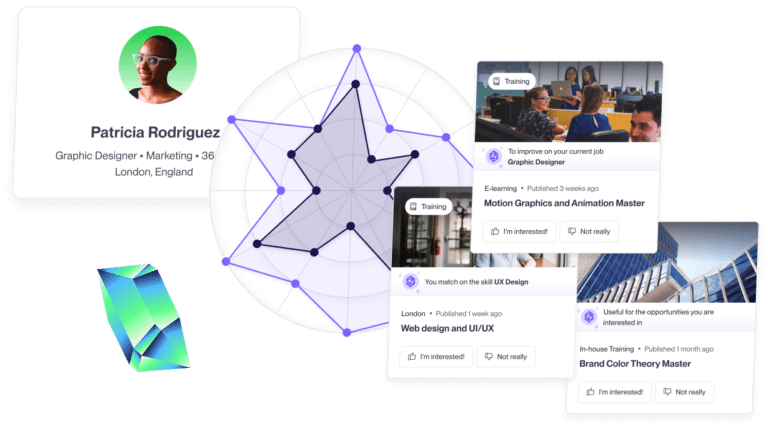
In skills-first organizations, talent isn’t confined to rigid roles — it flows to where it’s needed most. One of the most visible expressions of this is the internal talent marketplace, a dynamic platform that connects employees to opportunities — from full-time roles to short-term projects, stretch assignments, and gigs — based on their capabilities rather than titles or tenure.
These marketplaces are supported by technology that:
- Maps employee skills automatically from profiles, work history, and performance data.
- Recommends relevant opportunities to individuals based on skills and aspirations.
- Enables open posting of opportunities by managers and teams across the business.
Real-world examples show how internal talent marketplaces increase internal mobility and significantly reduce external hiring. For instance, Salesforce’s AI-powered career marketplace helped fill half of open positions internally during a workforce adjustment period, while recommending learning resources and career pathways tailored to individuals’ capabilities.
A skills-based internal marketplace democratizes access to opportunities and empowers employees to shape their careers — moving laterally or upward according to skills rather than job labels.
If you’re exploring how internal mobility frameworks support this shift, our Career Pathing Framework article provides practical guidance for building transparent, skills-aligned progression models.
For technology considerations behind marketplace implementation, see our breakdown of Skills Management Tools & Platforms, which explains how these systems operationalize skills-based matching at scale.
3. Continuous Upskilling
In a skills-first organization, development isn’t a one-off initiative — it’s a continuous, strategic imperative aligned with evolving business needs. Instead of generic training or compliance-only programs, learning is personalized and tied directly to current and future skill demand.
Continuous upskilling means:
- Leveraging real-time skills data to identify gaps and opportunities.
- Designing learning pathways that are relevant to strategic priorities.
- Embedding learning into daily workflows rather than siloed classroom sessions.
Research shows that top HR teams now prioritize upskilling as central to workforce transformation, with a large majority of organizations planning to reskill staff for both current roles and future-fit responsibilities.
When organizations align training with the skills that matter most — and update learning pathways as those skills evolve — they improve productivity, competitiveness, and employee engagement. AI plays a strong supporting role here, enabling personalized, data-driven learning recommendations that boost ROI on talent investments.
For a practical implementation roadmap, our Upskilling Plan for Managers article outlines how leaders can embed capability development into team operations.
And if you’re building foundational definitions before launching upskilling programs, our Skills-based employability resource helps ensure alignment between learning design and capability taxonomy.

4. AI-Powered Talent Intelligence
Finally, AI-powered talent intelligence is the engine that makes the skills-first model practical at scale. Advanced platforms analyze workforce data — including skill profiles, performance records, learning behavior, and external labor market trends — to deliver predictive insights that inform strategic decisions.
AI-powered capabilities enable skills-first organizations to:
- Detect emerging skill gaps before they impact productivity.
- Recommend targeted training or redeployment based on data patterns.
- Forecast future talent needs by modeling scenarios with real workforce data.
- Measure effectiveness of mobility and learning initiatives over time.
Rather than relying on intuition or periodic surveys, HR leaders can leverage predictive analytics to align talent supply with business demand and make evidence-based decisions about talent investments.
These systems provide a unified picture of workforce capability, often aggregating data from HRIS, learning platforms, performance systems, and external market signals — a transformation from the siloed, static data models of the past.
If you’re exploring how AI operationalizes skills strategy, our article on Skills Management Tools & Platforms explains how advanced systems centralize and analyze workforce data.
To understand how this intelligence fits into a broader skills-first operating model, our Guide to AI-based HR provides a strategic overview of how AI, mobility, and learning connect within an integrated ecosystem.
Summary: What It Looks Like in Practice
A skills-first organization doesn’t just talk about workforce transformation — it builds systems that embed skills into every stage of the talent lifecycle:
- Real-time skills data powers planning and decision-making.
- Internal marketplaces open paths for mobility and growth.
- Continuous upskilling keeps capabilities current and future-focused.
- AI intelligence translates data into actionable workforce strategies.
Together, these elements create a flexible, resilient workforce capable of adapting quickly to change — a competitive advantage in the era of the future of work.

The Strategic Benefits of a Skills-First Approach
Organizations that adopt a skills-first strategy are not simply implementing a new HR process — they are redefining how talent contributes to business outcomes. By putting capabilities at the center of workforce strategy, companies unlock measurable advantages that extend across agility, cost, engagement, and strategic planning. Below is a detailed exploration of these benefits.
If you need a complete understanding on how SBOs are the future of work, here’s our Guide to understanding how Skills-Based Organizations will thrive.
1. Workforce Agility
One of the most immediate and visible advantages of a skills-first approach is increased workforce agility.
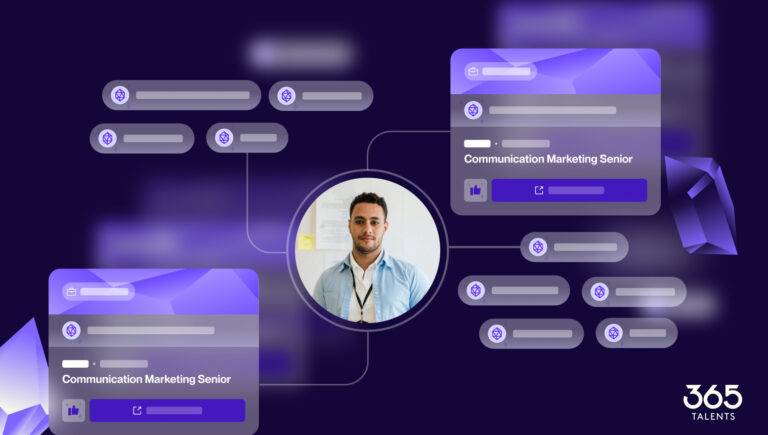
Traditional organizations often rely on fixed roles and hierarchical structures, which makes rapid redeployment of talent difficult. Skills-first organizations, in contrast, maintain dynamic skills visibility and employ internal talent marketplaces to match employees to projects, teams, or emerging priorities.
Benefits include:
- Quickly filling critical roles during organizational changes or project pivots
- Enabling cross-functional project teams without disrupting existing workflows
- Allowing managers to tap into hidden or underutilized talent
By building agility into your workforce, companies can respond to market shifts faster, maintain productivity during restructuring, and reduce downtime from skill shortages.
Learn how to build dynamic skills visibility in our Dynamic Skills Framework guide.
For practical examples of deploying talent marketplaces, see our Career Pathing Framework.
2. Reduced Talent Acquisition Costs
Another significant benefit of a skills-first strategy is lower dependence on external hiring.
Internal mobility becomes the engine for filling open roles because employees are matched to opportunities based on capabilities, not just tenure or title. This reduces:
- Recruitment agency fees
- Time-to-fill open positions
- Onboarding costs associated with entirely new hires
Organizations with effective skills-first systems often report that a majority of their open roles are filled internally, resulting in substantial savings. Additionally, retaining talent internally rather than hiring externally helps preserve institutional knowledge and supports cultural continuity.
Our Skills Management Tools & Platforms article explains how AI-powered tools help identify internal candidates efficiently.
Learn how internal mobility ties to strategic growth in Upskilling Plan for modern organizations.
3. Increased Employee Engagement
Employees are more engaged when they see clear visibility into growth pathways and understand how their skills contribute to organizational success.
Skills-first organizations achieve this by:
- Publishing transparent internal opportunities through talent marketplaces
- Providing actionable insights into skill gaps and growth opportunities
- Aligning development programs with career aspirations
Engagement is further strengthened when employees have access to continuous learning aligned with business priorities. People feel empowered to take charge of their careers, increasing satisfaction and retention rates.
4. Stronger Workforce Planning
Finally, a skills-first approach gives leadership predictive insight into capability gaps and future workforce needs.
With real-time skills data, HR and business leaders can:
- Identify emerging skill gaps before they impact business outcomes
- Forecast talent requirements for strategic initiatives or market changes
- Allocate resources efficiently based on current capabilities
- Measure the effectiveness of learning programs and mobility initiatives
Predictive workforce planning powered by skills intelligence allows companies to balance immediate needs with long-term talent strategy, ensuring that workforce decisions are both agile and strategically aligned.
The Role of AI in the Future of Work
Artificial intelligence (AI) is no longer a futuristic concept — it is a key enabler of the skills-first workforce. As organizations move from rigid job-based structures to dynamic skills-centric models, AI accelerates this transformation by making workforce data actionable at scale. Without AI, implementing a skills-first strategy across large enterprises can be slow, error-prone, and incomplete.
Automated Skills Extraction
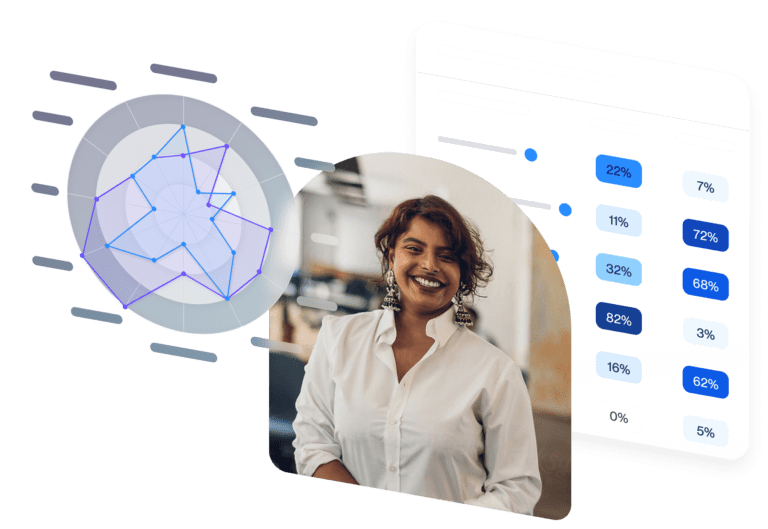
AI platforms can automatically extract skills from employee resumes, internal profiles, project history, and learning records. Traditional methods rely on self-reported skills or static HR databases, which are often incomplete or outdated. AI-powered extraction captures both formal and informal skills, including those gained through project experience or learning modules. This ensures that workforce skill inventories remain comprehensive and current, forming the foundation for internal mobility, targeted upskilling, and predictive workforce planning.
Semantic Matching Between Employees and Opportunities
Once skills are captured, AI enables semantic matching, connecting employees to internal roles, projects, or stretch assignments based on capabilities rather than job titles. AI evaluates not just exact skill matches, but also adjacent or transferable capabilities. Employees receive personalized recommendations, while managers gain insight into who is best suited for each opportunity. Semantic matching accelerates internal mobility and ensures that talent is deployed where it can deliver the greatest impact, increasing workforce efficiency and engagement.
Predictive Skills Forecasting
AI doesn’t just analyze current capabilities — it predicts future skill needs. By analyzing workforce trends, business objectives, and external labor market data, AI identifies gaps before they impact performance. Predictive insights guide learning investments, internal mobility programs, and succession planning. Organizations can proactively develop the skills needed for strategic initiatives rather than reactively filling gaps. This capability makes skills-first strategies scalable and forward-looking, enabling HR to align workforce capabilities with long-term business goals.
Bias-Reduced Internal Mobility Recommendations
AI can also help reduce unconscious bias in talent decisions: Recommendations are based on skills and performance data rather than demographic characteristics or subjective manager preferences. This increases fairness in internal promotions, lateral moves, and project assignments. Transparent skill-based recommendations build trust and support engagement initiatives. By ensuring that opportunity allocation is equitable and skill-driven, AI fosters a more inclusive and effective workforce.
Why AI Is Critical for Scaling Skills-First Models
In large organizations, manually tracking skills, identifying internal opportunities, and planning reskilling initiatives is unfeasible. AI automates these processes and scales them across thousands of employees, making a skills-first transformation possible at enterprise scale. Without AI: Skills inventories become outdated quickly Mobility and upskilling programs are slower and less accurate Workforce planning relies on assumptions rather than data By integrating AI into skills-first initiatives, organizations gain speed, accuracy, and strategic insight, unlocking the full potential of a capabilities-driven workforce.
Building a Skills-First Organization: Step-by-Step
Transitioning to a skills-first organization requires a structured, data-driven approach. By systematically auditing, organizing, and deploying skills, HR leaders can create a flexible, capable, and future-ready workforce. Here’s a detailed step-by-step roadmap.
Step 1: Audit Existing Capabilities
Before transforming, you need a comprehensive understanding of your workforce’s skills. Conducting a skills audit allows you to identify hidden talent, underutilized capabilities, and critical gaps that could block strategic initiatives.
Start by reviewing employee profiles, performance data, project histories, and learning activity. Using modern assessment frameworks, such as those outlined in our Skills & Talent Assessment Playbook, ensures that you capture both formal qualifications and on-the-job skills. You can also leverage tools like Key Skills: How to Discover All of Your Employees’ Skills to uncover capabilities that employees may not self-report. Finally, real-world examples, such as in our Analyze Skills Possession use case, illustrate how organizations translate skill inventories into actionable insights for planning and mobility.
Step 2: Build a Dynamic Skills Framework
After auditing capabilities, design a dynamic skills framework that reflects both current needs and anticipated business priorities. A well-structured framework organizes skills into categories, defines proficiency levels, and identifies interdependencies.
This ensures skills are living assets, guiding HR decisions around recruitment, development, and internal mobility. You can find practical guidance on structuring a scalable framework in our Dynamic Skills Framework resource. To connect your framework with workforce development, here’s a dedicated resource that shows how to align skills with learning initiatives.

Step 3: Deploy Skills Intelligence Technology
Scaling a skills-first strategy across large teams requires AI-powered skills intelligence platforms. These platforms centralize workforce data, detect skill gaps, and recommend development opportunities, making it easier to activate talent efficiently.
Modern tools, such as those described in Skills Management Tools & Platforms, allow HR leaders to integrate learning, mobility, and performance insights into a single view. For a strategic overview of AI’s role in transforming skills management, see AI-Based HR: The Future of Talent and Skills Management with AI. These platforms help turn raw skills data into actionable insights, giving leaders the intelligence needed to anticipate and respond to workforce changes.
Step 4: Align Learning with Skills Gaps
Learning programs should directly address the skill gaps identified in your audit, ensuring that training investment drives business impact. Map development programs to high-priority skills, and personalize learning pathways based on employee profiles and career goals.
You can leverage practical guidance and explore curated approaches in our Upskilling & Reskilling Collection. For context on why prioritizing high-impact skills matters, our article Why Upskilling Is Crucial for Modern Organizations highlights how strategic learning programs boost engagement, retention, and organizational competitiveness.
Step 5: Activate Internal Mobility
Finally, enable internal mobility to deploy talent effectively and unlock hidden capabilities. Data-driven matching ensures employees are placed in projects, gigs, or roles that best fit their skills, while also providing opportunities to broaden their experience.
Implement mobility strategies with guidance from our Career Pathing Framework, and connect mobility initiatives to your broader skills-first strategy as outlined in the Skills-Based Organizations Toolbox. This approach fosters a culture of growth, reduces dependency on external hiring, and ensures your organization can adapt quickly to changing priorities.
Common Barriers to Transformation
Shifting to a skills-first organization is transformative, but it comes with predictable challenges. Understanding these barriers—and proactively addressing them—is critical to success. Most obstacles fall into four categories: cultural resistance, data silos, leadership alignment, and change fatigue.
1. Cultural Resistance
Managers and employees may resist the shift to a skills-first model, especially if it changes traditional ownership of talent. Managers might fear losing control over “their” teams or worry that internal mobility could undermine their departmental stability.
To overcome cultural resistance:
- Communicate the strategic benefits of skills-based mobility for employees and managers.
- Highlight success stories of talent redeployment and internal growth.
- Provide managers with tools to see opportunities for their team members within the skills framework.
Learn how to implement fair internal mobility in our Career Pathing for Gen Z employees. Connect skills to business strategy using Dynamic Skills Framework.
2. Data Silos
One of the most common operational challenges is that skills data is often scattered across multiple systems: HRIS, learning management platforms, performance records, and project tracking tools. Disconnected data makes it difficult to get a real-time view of workforce capabilities and can slow decision-making.
To break down silos:
- Centralize workforce data in a single skills intelligence platform.
- Use AI to consolidate, update, and enrich skill profiles automatically.
- Ensure cross-functional collaboration between HR, L&D, and IT teams to maintain accurate data.
To make sure you buy the right skills intelligence tool, this Skills Intelligence Platform Buyer guide will be useful to make your decision.
3. Leadership Alignment
Skills-first transformation requires executive sponsorship. Without alignment among senior leaders, the initiative can lose momentum or be deprioritized amid competing strategic projects.
To secure leadership buy-in:
- Show the link between a skills-first approach and measurable business outcomes: workforce agility, internal mobility, and cost savings.
- Demonstrate how predictive insights and AI-powered intelligence can guide workforce planning.
- Align the initiative with strategic HR and business objectives to ensure long-term support.
Useful tips:
Learn more about strategic skills management for Skills-Based Organizations.
Understand AI’s role in workforce planning via AI-Based HR: The Future of Talent and Skills Management with AI.
4. Change Fatigue
Employees may feel overwhelmed by constant organizational changes, new systems, or evolving expectations. Without clarity on how skills-first benefits them, adoption can stall.
To address change fatigue:
- Clearly communicate the personal and professional benefits of a skills-first approach: growth visibility, career pathing, and internal mobility opportunities.
- Use phased rollouts to introduce changes gradually.
- Establish governance and feedback loops to refine initiatives based on employee input.
Learn more about reinforcing benefits of skills-based transformation in our Upskilling & Reskilling Collection.
Measuring Success in a Skills-First Organization
Implementing a skills-first strategy is only the beginning — tracking its impact is critical to ensure ROI, refine initiatives, and maintain leadership support. By monitoring the right metrics, HR leaders can demonstrate how skills-based initiatives drive business outcomes, improve workforce agility, and enhance employee engagement.
1. Internal Mobility Rate
The rate at which employees move across roles, projects, or teams internally is a strong indicator of skills-first adoption. Higher mobility rates show that talent is being effectively redeployed according to capabilities rather than rigid job titles.
2. Skills Gap Closure Rate
Tracking how quickly skill gaps are addressed through learning, reskilling, or redeployment provides insight into how effectively the organization is building capabilities for the future of work.
3. Time-to-Fill Internal Roles
A shorter time-to-fill for internal roles indicates that the organization is effectively leveraging its existing talent pool. This metric also reduces reliance on external hiring and improves overall agility.
4. Learning-to-Role Alignment
This KPI measures how well employee learning and development programs map to actual skills needed in their roles. High alignment ensures that training drives performance and career growth, rather than just compliance.
5. Employee Engagement Scores
Engagement is both a leading and lagging indicator of a successful skills-first initiative. Employees are more engaged when they see clear growth pathways, skill visibility, and meaningful development opportunities.
6. Retention of High Performers
Tracking retention of top talent shows whether skills-first strategies are helping the organization retain key contributors. High retention indicates that employees perceive growth opportunities and feel empowered by skills-based development.
Frequently Asked Questions
Is a skills-first organization the same as a talent marketplace?
No. A talent marketplace is one component. Skills-first is a broader strategic model.

How long does transformation take?
Typically 12–24 months depending on organizational size and maturity.
Do we need AI to become skills-first?
While not mandatory, AI significantly increases scalability and accuracy.







Build Your Skills-First Strategy Today
The future of work demands adaptability. Organizations that continue relying on static job architectures risk falling behind. By placing skills at the center of workforce strategy, HR leaders unlock agility, engagement, and resilience. The future isn’t about jobs. It’s about skills.
365Talents in Action? Ask for a Demo Today!