You just cannot see them
Most skills strategies fail in operational environments — not because of missing data, but because they rely on employee participation.
The Hidden Workforce shows how HR teams map workforce skills, guide mobility, and lead reorganizations — without asking a single employee to log in.
Download the playbook to learn how to:
- Why most skills strategies fail on the shop floor
- Why employee engagement is not the answer to skills visibility
- How to activate workforce data you already have
- How to run succession and mobility without a marketplace
- How to reorganize based on capabilities, not organizational charts
Industry leaders trust us












The workforce you cannot see
You already have workforce data. It lives in your HRIS: job histories, roles, training, certifications.
But today, it does not help you make talent decisions as what’s missing is not data but visibility.
What this looks like in reality:
- Skills are fragmented across systems
- Data is inconsistent and difficult to structure
- Frontline populations are underrepresented
- Decisions rely on job titles, tenure, or manager perception
Download The Hidden Workforce today and discover how to go live in weeks—with no rollout and no employee adoption.
Download The Hidden Workforce
Why skills approaches are more complex in industrial environments
Many industrial organizations are working to build a skills-based approach across their workforce.
This often includes:
- Self-assessments
- Talent marketplaces
- Internal mobility platforms
- Enterprise-wide engagement campaigns
These approaches can create strong value — when the right conditions are in place.
But in industrial environments, they often face very real constraints:
1. Frontline populations don’t regularly engage with HR platforms
2. Adoption levels are inconsistent
3. Large-scale rollouts require time and significant resources

The challenge becomes operational
When visibility is needed quickly — for succession, targeted mobility, or reorganization — these approaches don’t always provide usable insights fast enough.
This is not a tooling but a timing issue.
- Incomplete data: Only one part of the workforce contributes, generating biased insights
- Slow deployment: It requires communication, training, and change management
- Delayed value: By the time data is usable, the business context has changed
The good news? You do not need employees to tell you what they can do. You already have the data.
Download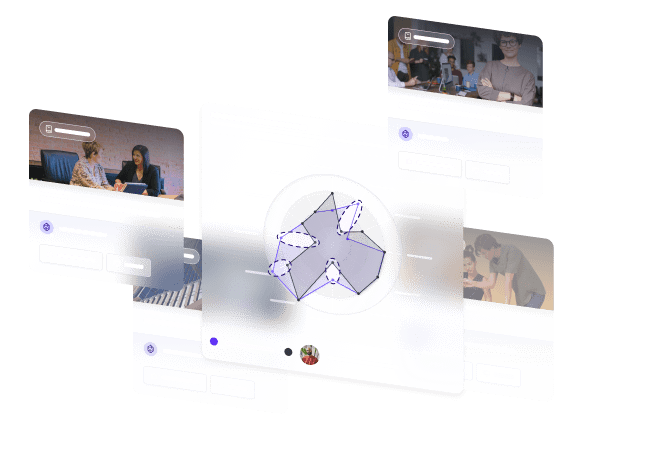
A new model: skills visibility without employee input
Skills View activates your existing HRIS data to generate a dynamic, usable skills map — in weeks.
- Connects directly to SAP, Workday, and other HR systems
- Extracts skills from job history, training, and certifications
- Structures data into a unified skills framework
- Delivers actionable outputs for HR decisions
Visibility becomes the starting point — not the end goal.
Download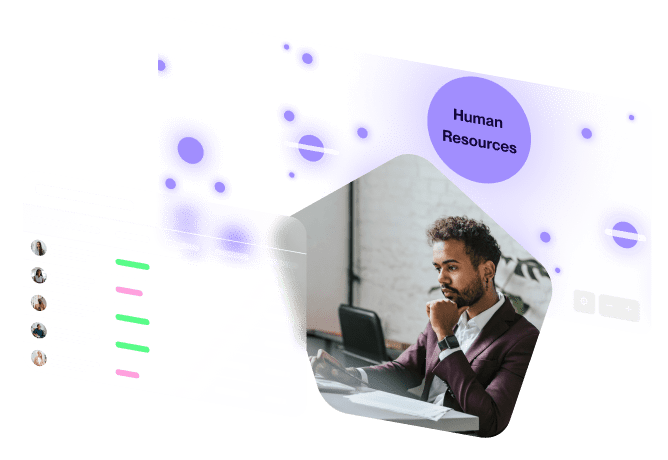
What you can see on day one

From the moment data is activated,
HR gains the visibility needed to empower the workforce that never logs in:

Skills visibility at scale
Across sites, teams, and operational populations

Critical roles and successors
Identify ready-now and future successors

No rollout. No adoption. Just visibility.
Skills View from 365Talents

Skills gaps and redundancies
Understand shortages and overlaps

Mobility opportunities
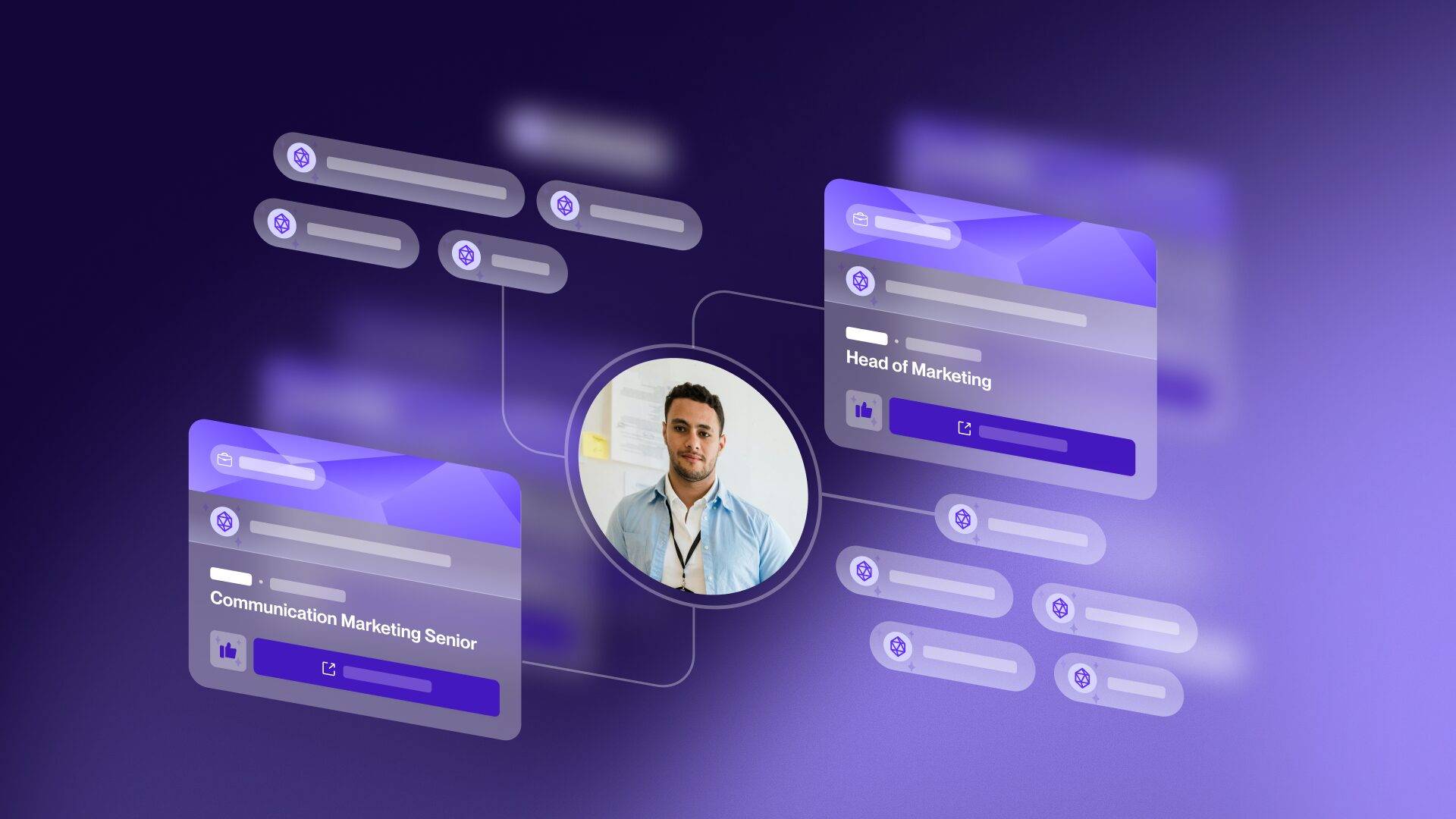
Reveal internal candidates for key roles

Turn your HR data into decisions, not dashboards
See how leading organizations activate workforce data in weeks.
Book my consultationOnce you have visibility, you can start acting on it

Make your workforce visible — and start acting on it
Most organizations already have the data they need to understand their workforce. The challenge is turning that data into something usable, fast enough to support real decisions.
This is where 365Talents comes in.
With Skills View, you can activate your existing HRIS data to build a structured, organization-wide view of skills; in a matter of weeks.
No employee rollout. No dependency on adoption. No delay.
From there, you can:
- Identify successors for critical roles
- Reveal internal mobility opportunities
- Support reorganizations with real capability data
- Build the foundation for a long-term skills strategy
Skills View is not another initiative to launch. It is the fastest way to make your workforce visible — and start making decisions with confidence.
See what this could look like in your organization
Book a personalized demo and discover how to activate your workforce data, using what you already have.
