In 2026, the workforce challenge isn’t just digital transformation — it’s skills transformation. Traditional job frameworks are becoming too slow and rigid to keep up with business change. The SkillShift 2026 series from HR Leaders, sponsored by 365Talents, surfaces how leading HR executives are navigating this reality by placing skills at the center of strategy, powered by AI and real‑time insights.
Across the series, talent leaders reveal that the most effective organizations don’t just talk about skills — they embed them deeply in performance, learning, mobility, and workforce planning.
1. Redefining Job Readiness as Business Performance
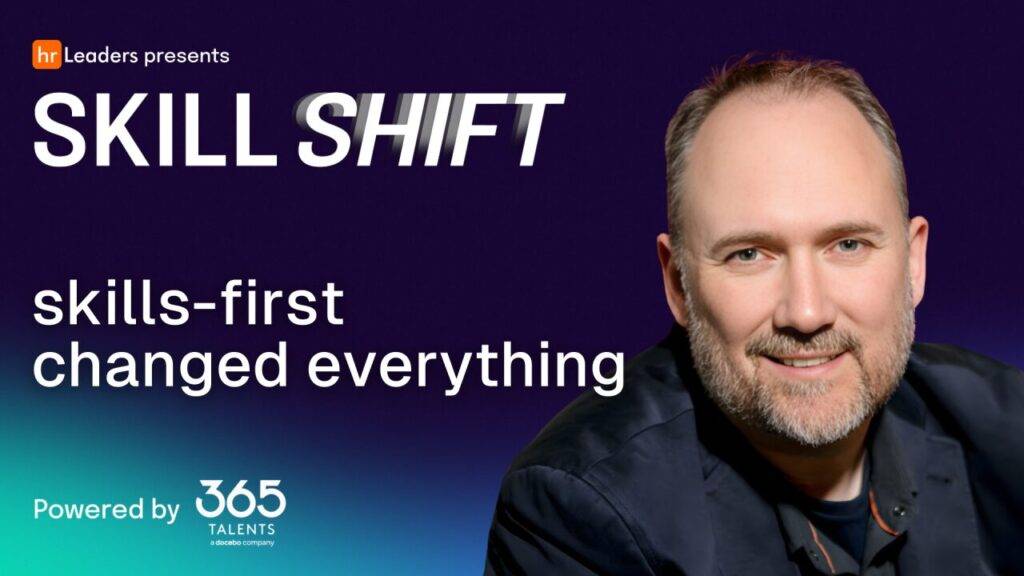
Watch the episode with Donovan Mattole, CHRO at Langan here.
At Langan, job readiness isn’t an HR metric — it’s a business outcome. Mattole frames the issue in terms most organizations will recognize: utilization, productivity, and competitive advantage. When new hires can’t interpret real work or apply judgment quickly, projects slow and opportunity is lost.
Key Takeaways
- The gap isn’t credentials — it’s capability in real contexts.
- Prioritizing first‑6‑month readiness builds both performance and retention.
- Power skills matter as much as technical proficiency.
This aligns with a broader trend we’re seeing across skills‑first organizations: readiness becomes a leading indicator, not a lagging HR report.
2. From Role Fit to Capability Match
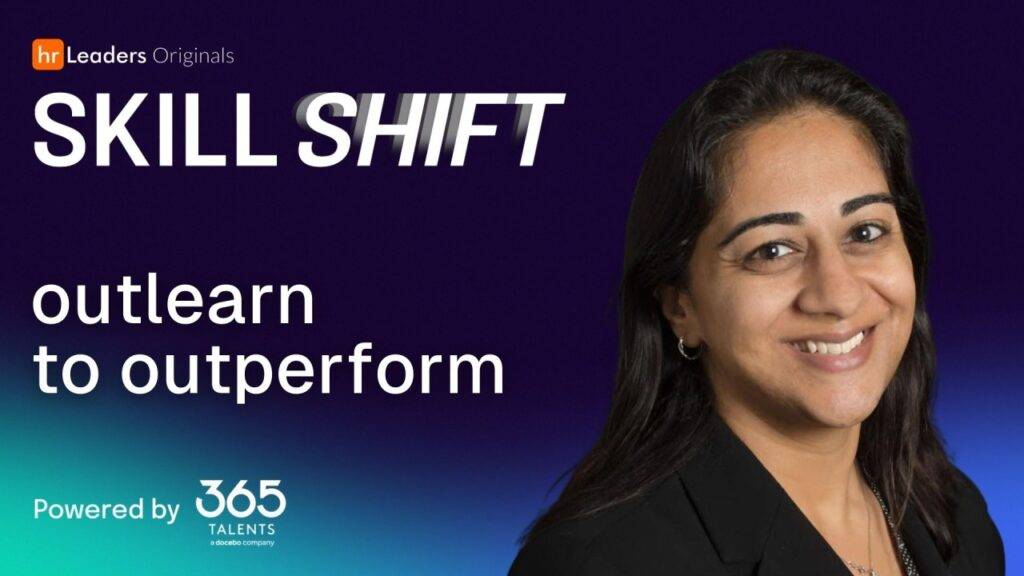
TD SYNNEX shifted from static roles to skills as the core currency for internal staffing. Instead of assuming “filled roles = staffing success,” Krishnan’s team saw friction, missed deadlines, and capability gaps — evidence that job titles aren’t enough.
Key Takeaways
- Moving talent decisions from jobs to skills unlocks internal mobility and agility.
- Skills visibility helps leaders identify capability bottlenecks earlier.
- The organization built talent supply where it actually matters — at the skills level.
3. Making Skills Operational

Deutsche Telekom treats job and skill readiness as a business imperative because volatile markets and technological shifts are shortening skill half‑lives. Bitterling shares an approach that ties skills to business outcomes rather than keeping them siloed in learning programs.
Key Takeaways
- Readiness isn’t “what you know today”—it’s adaptability for tomorrow.
- Real capability comes from informal work moments, not just formal courses.
- Skills must live in performance, projects, and career conversations, not only in a taxonomy.
This view echoes what organizations with strong Skills Intelligence foundations are already doing: making skills visible, measurable, and actionable — in real time.
4. Embedding Learning Into Work Itself

For Seagate, a skills‑based future means syncing learning with business outcomes and capability demand. Thomas’ team dismantled the idea of one‑off L&D events and instead made capability development just‑in‑time and mission‑linked.
Key Takeaways
- The old divide between learning and performance doesn’t exist in high‑velocity organizations.
- Skills visibility reveals where capability gaps block growth.
- Leaders use skills signals to tailor learning and performance support.
This is the operational heart of Skills Intelligence: closing skill gaps where the work actually happens.
5. From Jobs to Capabilities in Daily Flow
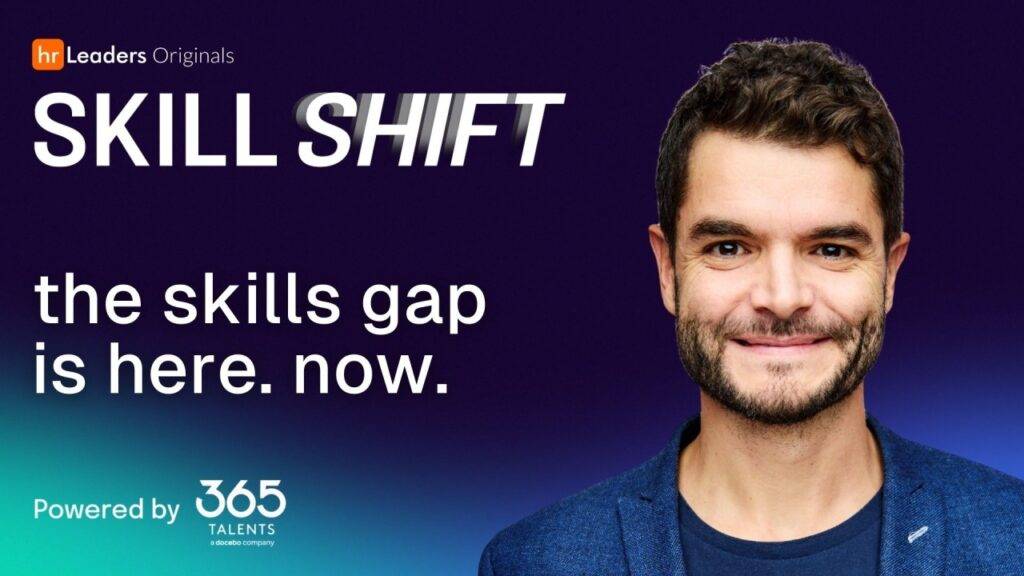
Watch the episode with Loïc Michel, Co‑Founder & CEO at 365Talents here.
Michel’s perspective is uniquely instructive because it comes both from the field and from building a platform that helps organizations operationalize their skills strategy.
Key Takeaways
- The real transformation isn’t training content — it’s the operating model around skills.
- Skills become powerful when they are visible in daily work, coaching, feedback, and mobility decisions.
- Organizations must let go of rigid roles and focus on building capability trajectories instead.
This captures a central truth of the skills economy: AI and data only deliver impact when they serve real talent decisions, not just dashboards.
6. Balancing Today’s Needs and Tomorrow’s Growth
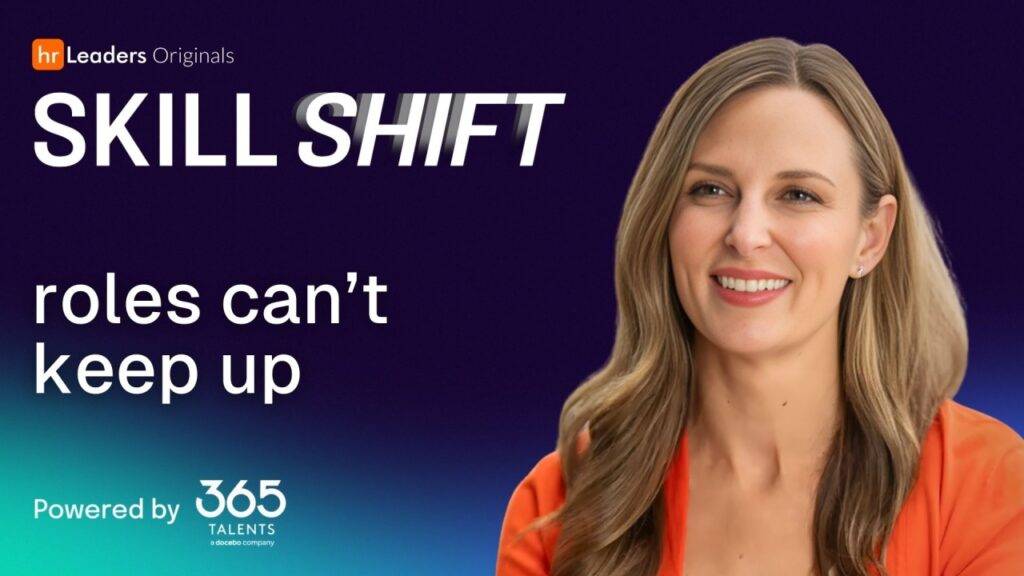
Watch the episode with Lauren Tropeano, Chief People Officer at Docebo here.
Docebo’s strategy showcases a disciplined approach to skills prioritization — separating “must‑have today” capabilities from those that will matter next. This avoids the trap of over‑optimizing for short‑term needs and neglecting strategic future growth.
Key Takeaways
- Skills decisions should be anchored in business priorities and future resilience.
- A clear framework prevents skills strategy from becoming reactionary.
- What gets invested in early often determines organizational agility later.
What SkillShift 2026 Means for HR Strategy
Across all of these voices, the message is clear: skills are more than a taxonomy — they are the operational infrastructure of modern talent strategy. The organizations that win in 2026 and beyond will be those that can:
- Measure capability in real time, not only on annual review cycles
- Match skills to opportunities dynamically, across teams and business goals
- Embed learning into daily work, turning development into performance velocity
- Connect skills with business impact, not just HR metrics
In essence, the future‑ready organization is skills‑first and intelligence‑driven—not because it sounds modern, but because business performance now depends on it.

Want to know more? Download our Skills Impact Report!
Inside: Skills trends, skills-first workforce transformation, workforce-readiness checklist and more!
GET YOUR COPY